
A display has one job: make the product the thing people look at. Custom acrylic displays do that by being clear, clean, and built to the specific product and space rather than forced to fit a generic stand. They range from a small countertop riser to a full engineered fixture system. Here is how they are designed and built.
Types of displays we build
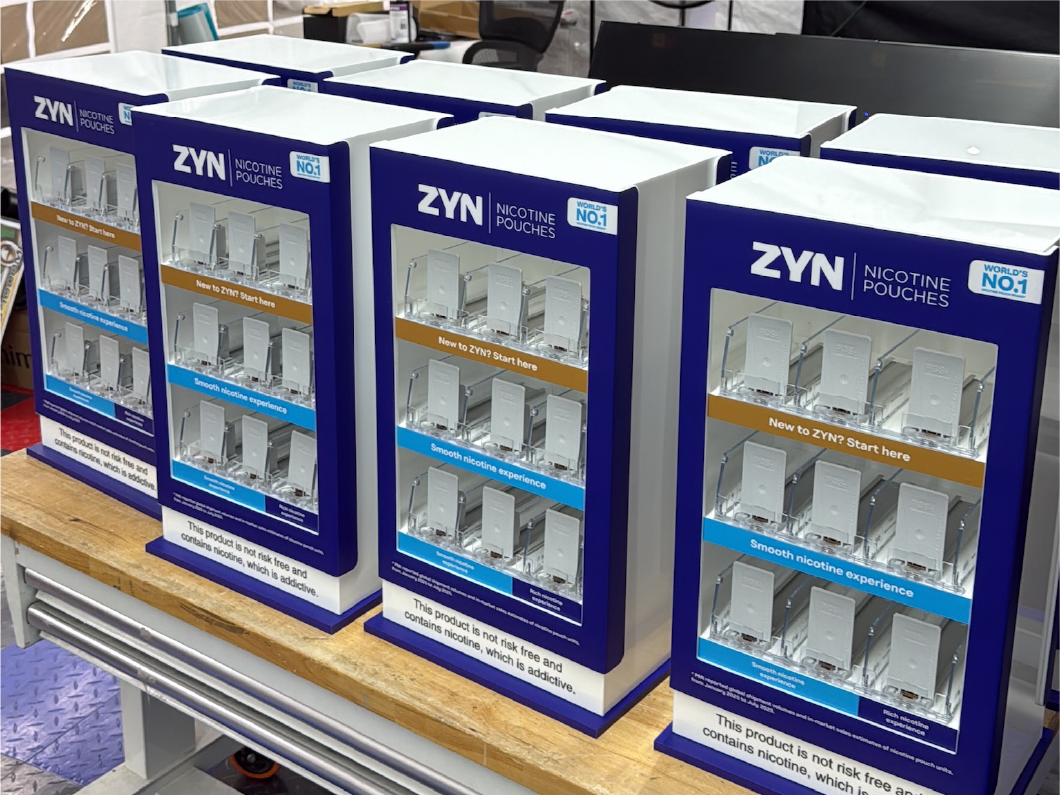
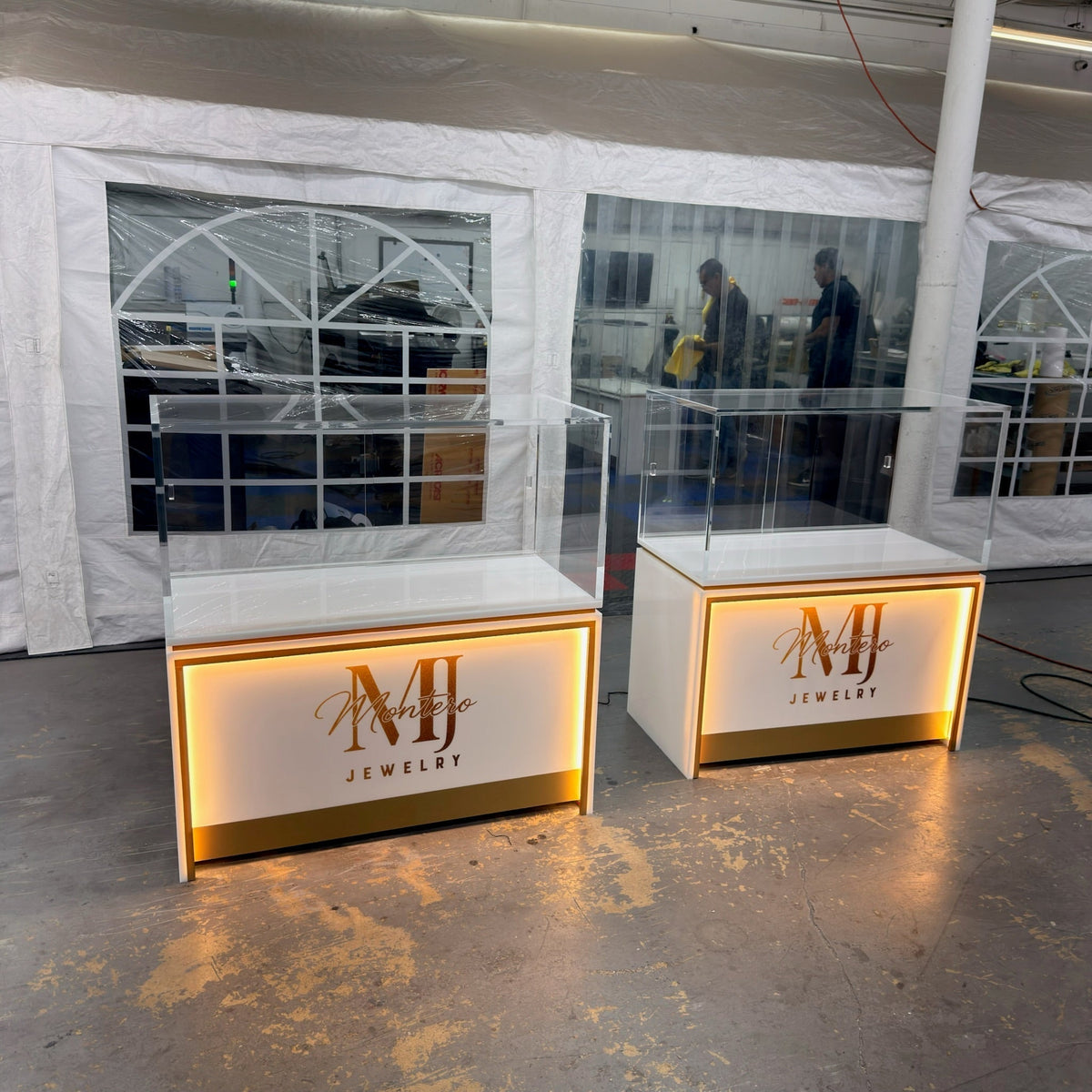
Common formats include countertop stands and risers, tiered and stepped displays, floor-standing fixtures, enclosed and locking cases, sign and literature holders, product testers, and fully engineered display systems for a specific rollout. The right format depends on the product, the setting, and how customers will interact with it.
Designing around the product and the brand
A display built to the exact product holds it better and looks more intentional than an off-the-shelf option. Good display design considers sight lines, so the product sits at the right height and angle; stability, so it will not tip; access, so staff can restock easily; and branding. Acrylic can be shaped, bent, engraved, and UV printed, so a display can carry brand colors, logos, and messaging while keeping the product the focal point.
Materials and construction
Most displays use clear cast acrylic for its optical clarity and polished edges, with colored or frosted acrylic for accents and bases. Thickness is chosen for the load: a lightweight riser can use thinner material, while a floor fixture or a shelf holding weight needs thicker acrylic and solid bonded joints. Clean, diamond-polished edges and tight seams are what make a display look professional up close.
From prototype to production run
We handle single prototypes as well as high-volume production where every unit needs to match across many store locations. Prototyping lets you test fit and feel before committing to a run, and consistent fabrication is what keeps a rollout looking like one cohesive program rather than a batch of slightly different pieces.
Durability and care
Retail displays take daily handling, so construction and material quality matter. Acrylic cleans easily with a soft cloth and a plastic-safe cleaner, and minor scratches in cast acrylic can often be polished out, which extends the life of a fixture in a busy store.
Frequently asked questions
Can you build displays from my design or drawing?
Yes. We can work from your drawings, a sketch, or a sample product, and help refine the design for fabrication.
Do you handle both single units and large orders?
Yes, from a single prototype to high-volume production runs sized for multiple store locations.
Can displays include my logo and brand colors?
Yes, through UV printing, engraving, and colored acrylic, so the display reflects your brand.
Describe what you are showing and where it will go, and we will help you design a display around it.
Share:
Mirror Acrylic Sheets – Stylish, Durable, and Versatile
Custom Acrylic Trophies and Awards – Celebrate Achievements with Style