
In commercial environments where products are constantly exposed to customer interaction, maintaining both visibility and protection can be challenging. Retail stores, museums, corporate offices, hospitality venues, and public facilities all face the same problem: how to display valuable items while minimizing the risk of damage.
This is one of the reasons acrylic has become a preferred material across multiple industries. Its combination of durability, clarity, and versatility makes it an ideal solution for protecting products without sacrificing presentation.
From display cases and protective covers to product barriers and custom enclosures, acrylic continues to play an essential role in modern commercial environments.
Why Product Protection Matters
Products displayed in public spaces are exposed to a variety of risks every day. Frequent customer traffic increases the likelihood of accidental impacts, scratches, spills, and general wear and tear.
Businesses invest significant resources into inventory, branding, and merchandising. Without proper protection, damaged products can lead to replacement costs, lost sales opportunities, and a negative customer experience.
Protective solutions must strike a balance between security and visibility. Customers need to clearly see products while businesses need confidence that their merchandise remains protected.
The Strength Advantage of Acrylic
One of acrylic's biggest advantages is its impact resistance. Unlike traditional glass, acrylic is significantly less likely to shatter when subjected to accidental impacts.
This makes acrylic particularly valuable in busy environments such as:
- Retail stores
- Shopping centers
- Museums
- Educational facilities
- Corporate offices
- Hospitality venues
- Trade shows and exhibitions
Because acrylic is lightweight yet durable, it can provide reliable protection while reducing many of the safety concerns associated with glass installations.
Maintaining Visibility While Adding Protection
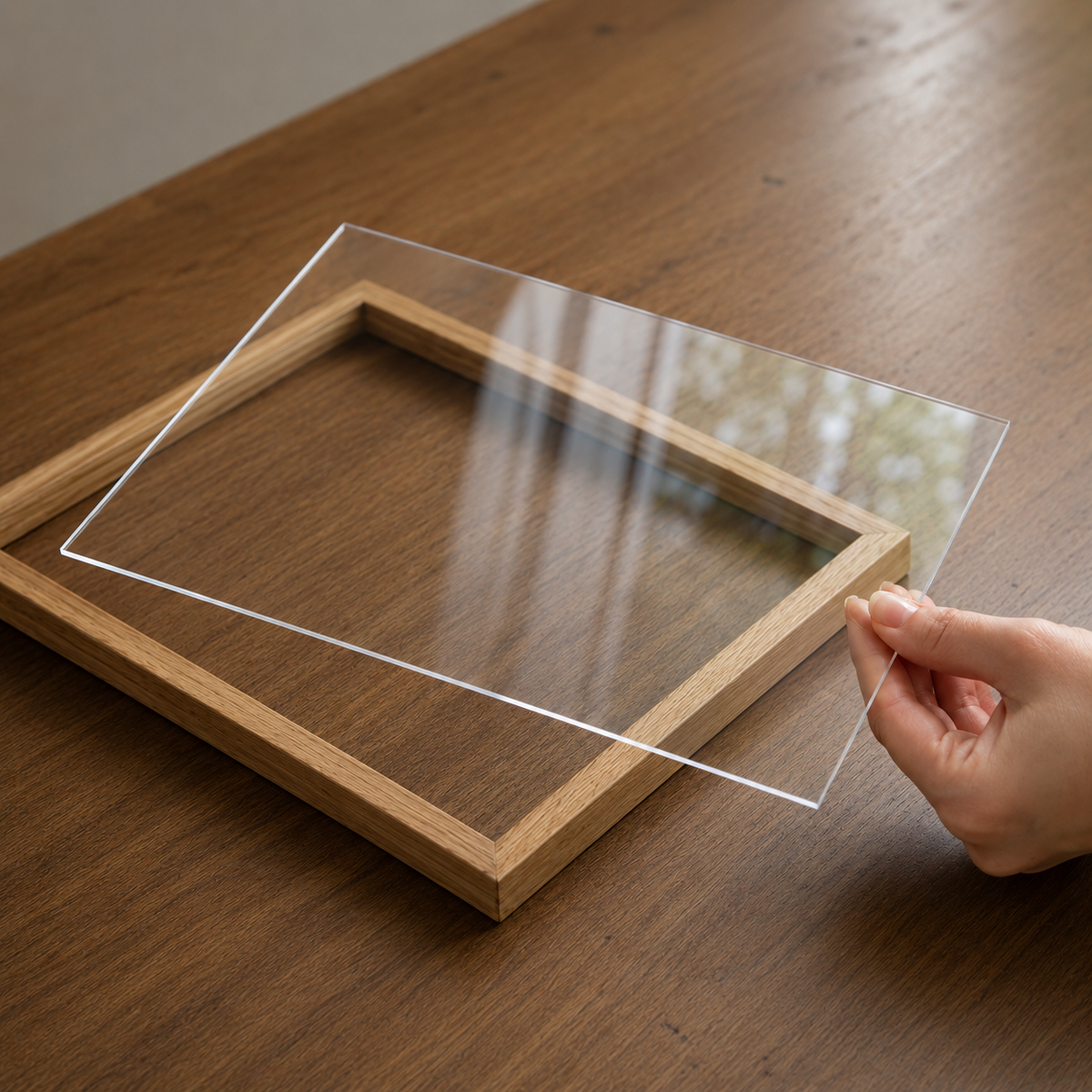
Protective materials are only effective if they allow customers to view products clearly. Acrylic offers excellent optical clarity, making it possible to create barriers, cases, and enclosures that maintain product visibility.
Whether displaying luxury goods, electronics, collectibles, cosmetics, jewelry, or promotional merchandise, acrylic allows products to remain the center of attention.
Its transparency helps preserve the shopping experience while providing an added layer of protection between products and customers.
Acrylic Display Cases for Valuable Merchandise
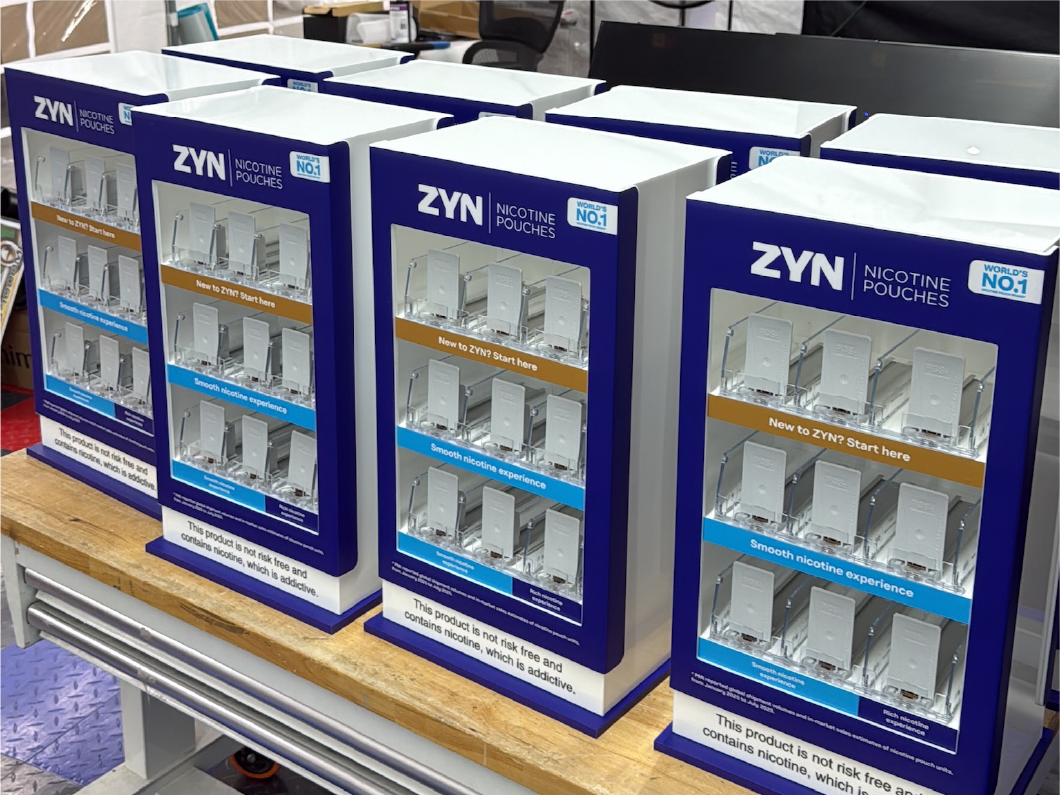
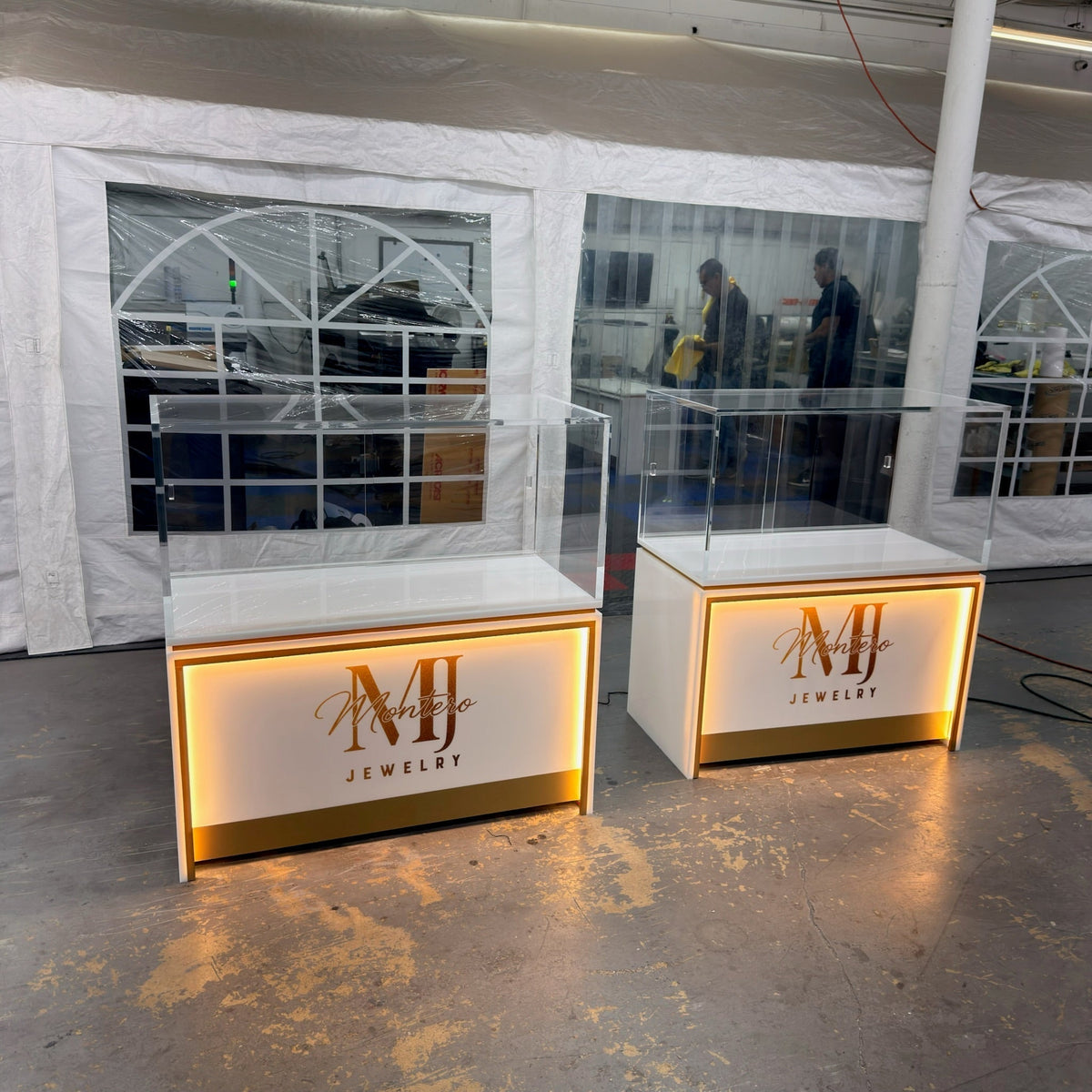
Many businesses use custom acrylic display cases to protect high-value items while keeping them accessible for viewing.
These display cases are commonly found in:
- Jewelry stores
- Museums
- Electronics retailers
- Sports memorabilia displays
- Luxury boutiques
- Corporate showrooms
Custom fabrication allows display cases to be designed around specific products, maximizing both security and presentation.
In addition to protecting products from direct contact, display cases can help reduce dust accumulation and environmental exposure.
Protective Barriers for Customer-Facing Areas
Acrylic barriers are often used in customer-facing environments where products need additional protection from handling or accidental damage.
These solutions may include:
- Product shields
- Countertop barriers
- Protective covers
- Equipment enclosures
- Information display guards
Because acrylic can be fabricated into virtually any size or shape, businesses can create customized protection systems tailored to their specific requirements.
Durability for Long-Term Commercial Use
Commercial environments demand materials capable of withstanding continuous daily use. Acrylic offers long-term durability while maintaining a clean and professional appearance.
When properly maintained, acrylic products can continue performing effectively for years. Their resistance to impact and everyday wear makes them a practical investment for businesses seeking long-term value.
Additionally, acrylic can be polished, repaired, or replaced more easily than many alternative materials, helping extend the lifespan of protective installations.
Custom Acrylic Solutions for Different Industries
Every industry has unique protection requirements. One of acrylic's greatest strengths is its adaptability.
Custom acrylic fabrication can be used to create:
- Retail display protection
- Museum exhibit covers
- Product enclosures
- Equipment guards
- Information display covers
- Countertop protection systems
- Specialty product showcases
This flexibility allows businesses to implement solutions that meet both functional and aesthetic goals.
Why Businesses Continue Choosing Acrylic
As commercial spaces become more focused on customer experience, businesses need solutions that protect products without creating visual barriers.
Acrylic offers an ideal combination of strength, transparency, customization, and professional appearance. It helps businesses protect valuable merchandise while maintaining the visibility necessary to support sales, engagement, and brand presentation.
For retailers, museums, corporate environments, and public facilities, acrylic remains one of the most effective materials available for balancing protection and display performance.
Final Thoughts
Protecting products in high-traffic environments requires more than simply placing items behind a barrier. Businesses need solutions that preserve visibility, support branding, and withstand daily use.
Custom acrylic fabrication provides the flexibility and durability needed to meet these challenges. Whether used for display cases, protective covers, barriers, or specialized enclosures, acrylic continues to be a trusted material for commercial product protection across a wide range of industries.
Share:
Retail Display Design Trends for Modern Stores in 2026
Acrylic Displays for Jewelry: Showcasing Small Pieces with Clarity and Security